%20(2)-min.png)

10 Common Residential Moving Mistakes and How to Avoid Them
Updated: Sep 2

We've packed and moved hundreds of homes, and honestly, it's almost always the same handful of mistakes that turn a normal move into a bad day. Not exotic ones, things like booking the wrong-size truck or realizing at 8 am that the condo elevator was never reserved.
This isn't a generic checklist. It's what we actually see go wrong on residential moves in the GTA and what to do instead. If you're weighing whether to book residential moving services or handle it yourself, this should help either way.
Key Takeaways
Book your condo elevator or loading dock slot before anything else. This trips up more moves than packing does.
Get a written estimate from a residential moving company you're considering, not just a phone quote.
Keep book/dish boxes small, under about 50 lbs, so they don't split or hurt your back.
Measure your biggest furniture and the doorways/hallways of the new place ahead of time.
Label boxes once, as you pack them, by room, not later.
Common Residential Moving Mistakes
Moving houses can be tough. You might think you have everything under control, yet small errors can turn into big problems. One such error is not checking out your moving company before hiring them.
It sounds simple, but many skip this step and end up with a stressful move. Another mistake? Spending too much on packing supplies like bubble wrap when there are cheaper options available.
These blunders seem easy to dodge, yet they happen more often than you'd guess. Keep things straightforward and aim for a smooth move by steering clear of these common pitfalls.

1) Booking a mover without checking them out first
This is the one that costs people the most. Before you hand over a deposit, look at actual review volume, not just the star rating. A residential moving company with 200 reviews at 4.6 stars tells you more than one with twelve reviews at 5.0.
Ask directly whether they carry cargo insurance, and get your quote in writing. A company that won't put pricing in writing is telling you something.
2) Spending too much on packing
Packing for a move can cost more than you think. Many people buy new boxes and bubble wrap, which adds up fast. Instead, find free boxes at stores or ask friends who've moved recently.
Use old newspapers instead of buying packing paper. This way, you save money and recycle at the same time.
Grocery stores and liquor stores usually have boxes free for the taking if you ask at closing time. Between that and using towels or linens you're already packing as padding, you can cut your packing-supply cost close to zero.
3) Improper packing methods
Packing the wrong way can make moving tough. Always pack heavy items in small boxes. This tip helps avoid hurting your back, shoulders, and legs. Big things may seem right for big boxes, but that's not smart.
It makes them too hard to lift.
Never pack stuff that can catch fire or explode in your moving boxes. This includes paint thinner and batteries. These items are dangerous during a move and could harm you or your staff.
Always check what should not go into your boxes before you start packing.
4) Skipping measurements of the furniture and the space
Moving day can be full of surprises, but one you don't want is finding out your couch won't fit through the door. Always measure wide spaces in your new home before moving. This includes doors and hallways.
Your furniture needs to pass these areas to reach its spot.
To avoid this mistake, use a tape measure for spaces where you'll place big items like sofas and beds. Write these numbers down. Then, check the size of your furniture. This step saves time and stress on moving days.
It ensures that all pieces will slide into your new home smoothly, without any hitches.
5) Neglecting to change address and forward mail
Changing your address and setting up mail forwarding are key steps during a move. If you forget, you might miss important letters or packages. This can lead to not getting bills or vital documents on time.
To avoid this, go to the post office and ask for a mail forwarding service before you move. You should also update your address with companies and people who send you mail often.
Not doing this can confuse those sending you things and cause delays. Imagine waiting longer for something important just because it went to your old house first! Make sure everyone knows where you're moving to keep things smooth.
It's a simple step but very important for a stress-free move.
6) Underestimating the amount of belongings
Many people think they don't have much stuff. But once you start to sort and pack, it's a surprise how much stuff adds up. Not having enough boxes or tape can be a big problem. This might make the moving day very rushed and stressful.
It’s smart to go through your items early. Make a list of what you have, and use this opportunity to throw away things you no longer need.
Packing tips can help here, too. They tell you the best ways to fit more into less space. And remember, labelling boxes saves lots of time when unpacking at your new place. Taking these steps ensures there's enough room for all your belongings in the moving truck—and keeps stress levels low!
7) Waiting until the last minute to start packing
Packing last minute is a big mistake. It makes moving chaotic and stressful. You might rush and forget important things. This can lead to packing in a hurry and not securing your items well for the move.
Start packing early to avoid these problems. This gives you time to label boxes correctly and organize everything. With more time, you won't overlook anything important or pack in a panic. Early packing means less stress and a smoother move.
8) Failing to label boxes properly

Not putting the right labels on your boxes can lead to big mix-ups when you're setting up in your new home. Think of it this way: Each box needs a tag that tells what's inside, where it should go, and how to handle it safely.
This step is key for preventing breaks or damage. Imagine forgetting where you put your dishes or books because all the boxes look the same. That will slow you down a lot.
You might think packing them all now and figuring it out later works, but it doesn't. You end up opening every box just to find your coffee pot or sheets on the first night in your new place.
So, grab a marker and start labelling as soon as you fill up a box, not only with what’s inside but also which part of the house it belongs in. This simple act saves time and keeps things from breaking, making sure everything arrives safely and goes where it should right from the start.
9) Assuming your mover's basic coverage is enough
Choosing not to look at insurance options can be a big mistake during a move. Moving companies often offer different kinds of protection for your belongings, so it's smart to check these before you sign any contracts.
Make sure the plan covers all your valuable or fragile items. You might find that the basic coverage from the moving company isn't enough for your needs. In that case, looking into extra insurance might be worth it.
Remember to keep all your insurance papers in a safe place where you can easily get them if needed. This way, if something goes wrong during the move, you're ready and protected.
10) Ignoring safety precautions
Ignoring safety rules during a move is a big mistake. It's easy to forget that heavy boxes can hurt you if not handled right. Pack heavy items in smaller boxes. This way, you avoid hurting your back, shoulders, and legs.
Also, don't pack things that could catch fire or explode. It's against the law and very dangerous for everyone involved.
Always remember the contract with your movers—the bill of lading. Keep it safe, so if something goes wrong, you have proof of what was agreed upon. Making safety a priority keeps the move smooth and everyone out of trouble.
How to Avoid These Mistakes
Getting several bids from well-known companies keeps costs fair. Tossing out what you don't need makes packing smoother. Jump into boxing up your stuff early to beat the rush. And do mark those boxes so you know what’s where! This method helps make moving less of a headache and more of an adventure.
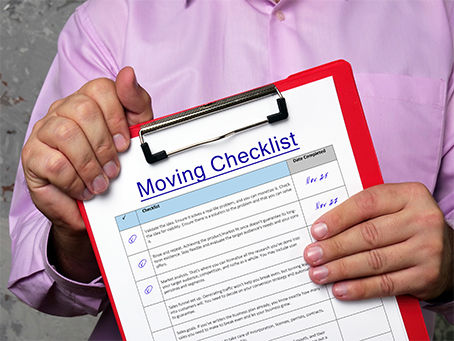
Create a moving checklist.
Creating a moving checklist is like making a plan for a big adventure. You list everything you need to do from start to finish. This helps you remember important tasks such as researching your moving company, getting moving insurance, and changing your address.
A good list reminds you when to start packing boxes and what items you shouldn't pack because they're unsafe.
Getting this checklist done early gives you peace of mind. You can see all the steps laid out in front of you. It's like having a map that guides you through the whole moving process smoothly.
Plus, it makes it easier to share the plan with everyone helping out so they know how to help best.
Declutter before packing
Cutting down on stuff is key before putting items in boxes. Take a good look around your place. You'll find things you don't use or need anymore. Sell some, give others away, or throw out broken stuff.
This step makes packing and moving easier and might even save money on moving costs because you have less to move.
Use this chance to organize what stays and what goes. Create groups – 'keep', 'sell', 'donate', 'toss'. It's not just about throwing away; it's making sure only the necessary things go to the new home.
This process keeps your move smooth and stress-free, letting you enjoy setting up in the new space with only what makes sense for your life now.
Frequently Asked Questions
What should I look for in a residential moving company?
Start with review volume, not just the star rating. A residential moving company with 200 reviews at 4.6 stars tells you more than one with a dozen five-star reviews. Confirm they carry cargo insurance, and ask for a written estimate before booking. If they won't put pricing in writing, that's worth noticing.
Do I need to book the elevator for a condo move?
Yes, almost always. Most condo buildings require booking the service elevator or loading dock one to two weeks ahead, and moving outside that window can mean fines or a rescheduled move. Confirm your building's policy as soon as you set a moving date, not the week before.
Is basic mover insurance enough for electronics or valuables?
Usually not fully. Standard liability coverage is often calculated by weight rather than actual item value, so a damaged box of electronics might only be covered for a few dollars. Ask your residential movers what's included by default and whether you can add coverage for higher-value items before the move.
How far ahead should I book residential moving services?
Two to four weeks ahead is enough for most standard moves. If you're moving during a month-end date, a long weekend, or anytime in summer, book six or more weeks out. Those are the busiest windows for any residential moving company in the GTA, and good availability disappears fast once dates open up.
Is it cheaper to pack myself or hire a packing service?
Packing yourself saves on labour costs upfront, but it raises the risk of damage to fragile or high-value items if they're not wrapped correctly. A personalized packing service usually costs less in the long run than replacing a broken television or a cracked antique, especially for larger residential moves with a lot of breakables.
Conclusion
Most of these mistakes aren't about being disorganized; they're about not knowing what to check for until it's too late to fix. That's really the value a residential moving company adds: not doing the lifting, but knowing which of these ten things to check before moving day instead of during it.
If you'd rather skip the guesswork, get a free quote from Advance Moving, or use our moving calculator to figure out the right truck size before you book.