Best Practices for Protecting Items During a Move with Toronto Movers
Updated: Sep 15

Moving to a new home or business place in Toronto can be an exciting yet daunting task, especially when it comes to ensuring that your belongings remain safe and secure throughout the process. Toronto’s neighbourhoods vary significantly, from historic districts with narrow streets to downtown skyscrapers and sprawling suburban areas. Each locale demands a tailored approach to ensure a smooth move.
Working with professional Toronto movers can significantly alleviate some of this stress. However, you still need to take essential steps to protect your items. This article outlines the best practices for safeguarding your possessions during a move.
9 Best Practices to Protect Your Belongings During Your Move
These aren't complicated tricks, they're the same fundamentals professional movers rely on for every job: plan ahead, use the right materials, label clearly, and communicate well. Here's each one broken down, from the weeks before your move to the day you finish unpacking in your new home.
1. Plan and Organize Early
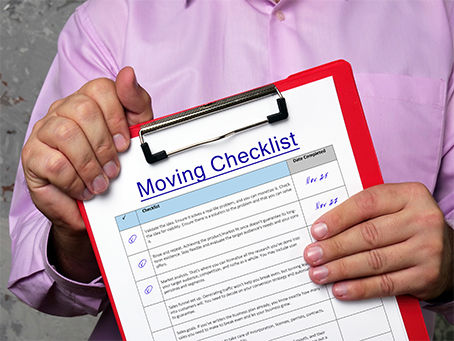
Proper planning is crucial to a successful move. Create a detailed moving checklist that lists tasks before, during, and after the move. This list should include decluttering your home, acquiring packing supplies, and scheduling your moving date with a reputable moving company. By planning, you will reduce the risk of last-minute issues that could jeopardize the safety of your items.
Before you start packing, take some time to go through your belongings and decide what you want to keep, what you want to donate, and what you want to discard. Reducing the number of items you need to move can save you money and make the packing and moving process more manageable. Additionally, having fewer items to move means there's less chance of something getting damaged.
2. Use High-Quality Packing Materials
Investing in high-quality packing materials is essential for protecting your items during a move. Make sure you have sturdy boxes, bubble wrap, packing paper, packing tape, and markers for labelling. Avoid using old or damaged boxes, as they may not provide adequate protection.
Using the appropriate box size for different items can significantly reduce the risk of damage. Heavier items like books should go in smaller boxes, while you can pack lighter items like linens and clothing in larger boxes. This helps ensure boxes are not too heavy to carry and prevents items from shifting and breaking.
Wrapping Fragile Items
Use plenty of bubble wrap or packing paper for delicate and breakable items. Wrap each item individually and ensure enough cushioning between them inside the box. Consider double-boxing fragile items for extra protection, with additional padding between the two boxes.
3. Label Boxes Clearly

Labelling each box with its contents and the room it belongs to will help you and the movers handle items more carefully. Use a bold marker and write on multiple sides of the box to ensure labels are visible from different angles. Additionally, mark boxes containing fragile items with “FRAGILE” and “HANDLE WITH CARE” to alert movers to exercise extra caution.
4. Protect Furniture and Large Items
Large items such as furniture, appliances, and electronics require special attention. Use furniture blankets or moving pads to cover and protect these items from scratches, dents, and other damage during the move. Disassemble any furniture that can be taken apart, and wrap individual pieces separately.
Keep all hardware (screws, bolts, etc.) in labelled plastic bags and tape them securely to the corresponding furniture pieces. Experienced furniture movers in Toronto handle this kind of disassembly and padding routinely, which is worth asking about directly if you have large or awkward pieces.
Handling Electronics
Electronics are susceptible to damage during a move. Pack electronics in their original boxes whenever possible, as these are designed to provide optimal protection. If you lack the original packaging, opt for sturdy boxes with ample cushioning. Label all cables and accessories and pack them together with the corresponding devices.
5. Communicate with Your Movers
Clear communication with your Toronto movers is essential for a smooth and safe move. Inform them of any items requiring special handling and provide them with instructions. Reputable moving companies will be experienced in handling various types of belongings. They will appreciate the additional information to ensure everything is transported safely.
Choose a Reputable Moving Company
Research and choose a reliable and experienced moving company in Toronto. Look for companies with positive reviews, proper licensing, and insurance. Our guide to common moving scams covers the specific red flags to watch for while you compare options. A reputable moving company will have trained professionals who know how to handle your items carefully and provide the necessary equipment and materials for a secure move.
6. Take Inventory and Insure Your Belongings
Creating a detailed inventory of your belongings before the move is an excellent way to keep track of your items and ensure everything is recovered and intact. Take photos of valuable items and note their condition. This documentation can be helpful in case you need to file a claim for damaged or lost items.
Insurance Coverage
Consider purchasing additional moving insurance to protect your belongings. While most moving companies offer basic liability coverage, it may not be sufficient to cover the full value of your items. Speak with your moving company about available insurance options, or check with your home insurance provider to see if your policy covers moving-related damages.
7. Pack an Essentials Box
Pack a separate box with essential items you need immediately upon arrival at your new home. This box should include toiletries, a change of clothes, important documents, medications, and basic kitchen supplies. These readily available items will reduce stress and allow you to focus on settling into your new home.
8. Supervise the Loading and Unloading Process
Being present during the loading and unloading process allows you to oversee how your items are handled and ensure they are treated with care. Although professional movers are trained to handle items safely, your presence can help address any concerns or questions during the move.
Final Walkthrough
Before the movers leave your old home, do a final walkthrough to ensure nothing is left behind, and all items are loaded onto the moving truck. Similarly, conduct a walkthrough of your new home to check for damages and ensure all items arrive safely.
9. Unpack with Care
When you arrive at your new home, take your time unpacking to avoid accidentally damaging your belongings. Start with essential items and gradually move to less critical boxes. Inspect each item as you unpack, and refer to your inventory to ensure everything has arrived safely.

Frequently Asked Questions
What packing materials should I use to protect fragile items during a move?
Use sturdy new boxes rather than old damaged ones, along with plenty of bubble wrap or packing paper for anything breakable. Wrap fragile items individually and add cushioning between them inside the box. For especially delicate pieces, double boxing, packing one box inside a larger one with padding between, adds an extra layer of protection worth the small added cost.
Is it worth buying additional moving insurance?
Most moving companies include basic liability coverage, but it's often calculated by weight rather than actual value, so a damaged box might only be covered for a few dollars. If you own higher value furniture, electronics, or antiques, ask about additional coverage, or check whether your home insurance already covers moving-related damage.
3. Should I be present while movers load and unload the truck?
It's not required, but being there lets you flag anything that needs special handling and answer questions on the spot instead of after the fact. A quick walkthrough of your old home before the truck leaves and of your new home once everything's inside helps confirm nothing was left behind and nothing arrived damaged.
How should I pack electronics to keep them safe during a move?
Use the original boxes if you still have them, since they're built specifically for that device's shape and weight. If not, choose a sturdy box with generous cushioning on all sides, and keep cables and accessories labelled and packed together with the matching device so nothing gets separated or mixed up once you start unpacking.
5. How do I choose a reputable moving company?
Check for consistent, recent reviews across more than one platform, and confirm the company is licensed and insured before you book. Advance Moving is a fully insured moving company that puts every estimate in writing. Ask for the same in writing from anyone else you're considering, and be cautious of a quote that's far lower than the rest.
Choose Movers You Can Trust
Protecting your items during a move requires careful planning, quality packing materials, clear labelling, and effective communication with your movers in Toronto. By following these best practices, you can significantly reduce the risk of damage and enjoy a smoother, less stressful move.
Looking for affordable movers Toronto residents actually recommend, without cutting corners on care? As a CAM-listed, fully insured moving company, Advance Moving handles the packing, labelling, and careful handling covered in this guide as part of our personalized packing service if you'd rather not do it all yourself. If you want a clearer sense of cost before you book, our moving calculator can help. Request a free quote or call (437) 989-7726 to speak with one of our trusted movers.