%20(2)-min.png)

How to Protect Furniture During a Move?

Updated: Jul 13

Moving day usually starts calmly. Then suddenly, someone bumps the hallway wall with the dining table, the couch gets stuck near the doorway, and there’s a scratch on your wooden dresser that definitely wasn’t there before. It happens fast, especially when you’re trying to move everything in one day.
And the frustrating part is that most furniture damage doesn’t happen because the item is old or weak. It happens because it wasn’t packed, wrapped, or carried the right way. A little prep can save you from ripped fabric, cracked glass, chipped wood, and expensive replacements later.
If you’re getting ready for a move, protecting your furniture should be one of the first things on your checklist. After all, nobody wants to unpack their favourite chair only to realize one leg is loose or the corners are scraped up. So, what’s the safest way to move furniture without damaging it?

Prepping Your Furniture for Moving
Create a Room-by-Room Inventory
Before you even touch a roll of tape, take a walk through your house with your phone. Snap photos of every angle of your big items, especially any spots that already have a little wear and tear. This helps you keep track of what you have and lets you note down exactly what kind of packing supplies each room is going to need. It prevents you from getting caught off guard by a piece you forgot was tucked away in a corner.
Measure Furniture and Pathways
There's nothing worse than wrestling a heavy dresser down a tight hallway only to find out it won't clear the door frame at the end. Grab a tape measure and check the width and height of your biggest items first. Then, go measure your doorways, stairwells, and main halls to plan your escape route. If the math says it's going to be tight, you'll know ahead of time that you need to take the doors off their hinges or find another angle.
Gather Materials
Don't try to skimp out here by using old bed sheets or cheap tape you found in a kitchen drawer. You'll want to gather heavy-duty moving blankets, plastic stretch wrap, bubble wrap, mattress bags, and strong packing tape. Having the right tools on hand from the very start makes the whole process smoother and keeps you from making frustrating last-minute runs to the store.
Clean and Dry Surfaces
It sounds strange to clean things right before putting them in a dusty truck, but it's incredibly important. Dust, sand, and tiny crumbs act just like sandpaper when they get trapped under tight plastic wrap or heavy blankets. Give your wood and plastic surfaces a quick wipe down and let them dry completely. If you trap moisture under plastic wrap, you risk ruining the finish on your wood or creating a breeding ground for mold.
Quick tip while sorting: While packing, if you get to see any junk that you really don't want to bring into your beautiful new home, then you must get our junk removal services. We'll take care of the old, unwanted stuff so you only spend time protecting the things you actually love.
Best Padding Materials for Moving Furniture Safely
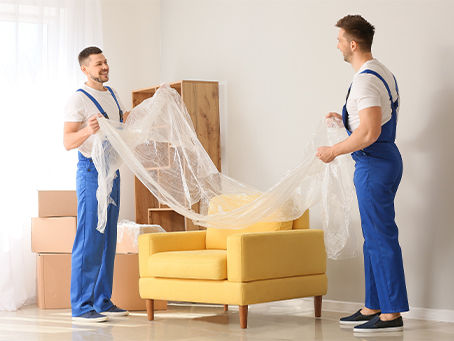
Think of padding as armour for your belongings during their bumpy ride. The secret weapon here is the classic moving blanket, often called a furniture pad. You want to wrap these blankets completely around the item, covering every exposed piece of wood or fabric. Once the blanket is in place, you secure it tightly by wrapping
plastic stretch wrap around the entire thing multiple times.
And remember, plastic wrap should never touch raw wood finishes directly because it can trap condensation and ruin the polish. Always put the blanket down first, then use the plastic wrap like giant rubber bands to hold the padding tight. For extra fragile corners on dressers or tables, you can slide cardboard corner protectors under the blankets for an extra layer of safety against accidental drops.
Disassembly Strategies for Safer Handling
If a piece of furniture can come apart, you should absolutely take it apart. Remove the legs from your dining table, take the feet off your sofas, and pull out any adjustable shelves from your bookcases. Taking these extra steps makes the mainframe way lighter to carry and stops protruding legs from snapping off when navigating tight corners.
As you take things apart, put all the screws, bolts, and washers into a sealable plastic baggie right away. Use a permanent marker to write exactly which piece of furniture the hardware belongs to on the front of the bag.
Tape that bag securely to the main body of the furniture or keep all the bags together in a single, dedicated hardware box so you aren't hunting for screws on your first night in the new place.
Let a residential moving company handle assembling and dismantling for you. Reach out to the team at Advance Moving today to get a fast, free estimate for your move.
Doorway and Stair Prep to Prevent Scrapes and Snags
Even if you're incredibly careful, carrying wide items through tight spots can lead to accidental bumps. You can protect your home and your belongings at the same time by hanging thick blankets over your doorjambs using painter's tape. This cushions any accidental impacts when you're manoeuvring a heavy dresser through a narrow opening.
For stairwells, banisters are highly prone to getting scratched or causing deep gouges in your furniture. Wrap your railings in moving pads or layers of cardboard before you start moving anything down the steps. It's also a smart idea to lay down thick red rosin paper or cardboard runners along your main walking paths to protect your floors from dirt and scuffs.
Glass and Mirror Packing Techniques
Glass tabletops and large mirrors require a bit of extra patience because they're so fragile. Start by using low-tack painter's tape to make a large "X" across the front and back of the glass surface. This won't stop the glass from breaking if it's dropped, but it keeps the pieces from shattering everywhere if an accident happens. Next, wrap the entire glass piece in several layers of large-bubble wrap, securing the edges with packing tape.
Slide the wrapped glass into a specialized telescoping mirror box, filling any empty gaps with crushed packing paper so the glass cannot shift around inside. Always store and transport glass panels on their edges; never lay them down flat on the floor of the truck where something heavy could fall on top of them.
Handling High-Value and Sensitive Items
Antiques, fine art, and delicate electronics need a specialized approach to make sure they survive the trip undamaged. For valuable oil paintings or delicate musical instruments, standard plastic wraps can cause serious damage by trapping moisture or scratching delicate surfaces. Wrap these items in clean, acid-free packing paper before adding any bubble wrap or outer protective layers.
If you have electronics like large flat-screen TVs, it's always best to use their original factory boxes if you still have them saved in the garage. If you don't, you can buy specialized TV moving boxes that include foam corner pieces to keep the screen suspended away from the cardboard walls. Keep these high-value items isolated and load them into the truck last so they're easy to monitor and unload last.
Securing Furniture in the Truck
Loading the moving truck correctly is where your hard work packing really pays off. Think of the truck bed as a giant game of Tetris where everything needs to fit snugly to prevent shifting during sudden stops. Place your heaviest items, like washing machines, fridges, and heavy dressers, all the way against the back wall closest to the cab to keep the truck stable.
Use the tie-down straps built into the walls of the truck to lock heavy tiers of furniture firmly into place as you build your way toward the back. Never stack heavy boxes on top of soft, upholstered chairs or sofas, as this will leave permanent dents in the cushions or warp the springs over time. Instead, tuck lightweight items, like pillows or bags of clothing, into the open gaps under tables and chairs to maximize your space safely.

When to Hire a Professional Moving Company for Your Next Move
While taking care of a move on your own can seem like a great way to save a bit of money, it often comes with a ton of hidden stress, exhaustion, and the risk of breaking your most valuable belongings. If you find yourself looking at heavy solid-wood wardrobes, fragile glass display cases, or a winding staircase, it might be time to call in the experts. Professional movers have the experience, the specialized tools, and the heavy-duty trucks needed to handle the hard work safely.
Hiring an experienced moving company gives you total peace of mind because they know exactly how to wrap, load, and secure your things efficiently. They take the physical strain off your shoulders, meaning you can focus on setting up your new space instead of nursing a sore back. When you consider the value of your time and the cost of replacing damaged furniture, professional help is often the smartest investment you can
make.
Ready to skip the heavy lifting and protect your investment? Get in touch with Advance Moving and let our experienced team make your next move smooth, safe, and completely stress-free.
Frequently Asked Questions
Do I Need to Disassemble Everything?
Not absolutely everything, but you should definitely take apart large items like bed frames, dining tables, and sectional sofas. If an item is light enough to carry easily and fits through your doorways without a struggle, you can usually leave it whole. Just remember to take out any loose shelves or drawers so they don't slide out and hurt someone during the transport.
What’s the Best Way to Protect a Sofa While Moving?
First, remove all the loose cushions and pack them separately in large, clean plastic bags to keep them clean. Next, spin the sofa around and unscrew the feet if they're removable. Wrap the entire fabric body of the sofa tightly in plastic stretch wrap to protect it from dirt, moisture, and snags, using cardboard pieces to protect the corners.
How Do I Protect Wood Furniture From Moisture?
The absolute best way to protect raw or finished wood from moisture is to wrap it fully in breathable moving blankets first. Never apply plastic wrap directly against bare wood surfaces, because it traps humidity and ruins the finish. If you're moving during a rainy day, wrap blankets first, then seal the outside with plastic wrap to create a waterproof barrier that won't trap sweat underneath.
Should Glass Be Moved Flat or Vertically?
Always store and move glass tabletops, windows, and large mirrors vertically on their edges. When glass is laid down flat, it cannot absorb vibrations from the road, and a single bump can cause it to crack right across the middle. Keeping it upright lets it flex naturally with the movement of the truck, making it much safer during transport.