How to Prepare Your Retail Store for a Smooth Moving Day


Relocating a retail store in Canada is more than just packing up merchandise and moving it to a new location. It’s a process that requires thoughtful planning and attention to detail. You need to consider your inventory, display fixtures, equipment, and other goods, as well as how to communicate with your staff and customers throughout the move. Each step, from getting products ready for transport to setting up your new space, plays a crucial role in how quickly you can return to serving your customers.
Whether you’re moving a cozy little shop, a trendy clothing store, or a larger retail establishment, having a well-made moving plan can make all the difference. It helps minimize damage, keeps moving costs in check, and reduces the time your business is offline. Here are some practical steps to help you prepare your store and ensure that moving day goes as smoothly as possible.
1. Create a Moving Plan Your Team Can Follow
Moving a retail store is not an easy task; it’s the one that takes several hours or sometimes a few days to get done smoothly. Start planning several weeks before moving day. Assign responsibilities to team members so everyone knows what they need to handle. One person can oversee inventory, another can manage packing, and someone else can coordinate with the moving company.
Your plan should include:
The moving date and timeline
Packing and labelling responsibilities
Contact details for your moving team
Tasks that must be completed before reopening
If your store operates daily, plan the move around quieter business hours where possible. Moving after closing or during a scheduled closure can help limit disruption.
2. Check Your Retail Inventory Before Packing
Before you start packing, take a moment to assess your goods. Count the items, check their condition, and set aside anything that requires special care. This will help you keep track of your inventory when you arrive at the new location.
Organize your products by department, category, or display area. Clearly label each box with its contents and the section it belongs to. Keep valuable, fragile, or high-demand items separate so they get the attention they deserve during packing and transport. Use this move as a chance to identify any damaged, outdated, or unsold stock. After all, there's no point in paying to move items that your store no longer needs.
3. Prepare Shelving, Displays, and Store Fixtures
Retail stores often have shelving, counters, display cases, racks, mirrors, and other fixtures that need more preparation than ordinary boxes. Empty shelves and cabinets before moving them. Remove detachable parts where possible, and keep screws, brackets, and fittings in labelled bags. Wrap glass display cases, mirrors, and other fragile components with suitable protective materials.
Take photos of larger displays before dismantling them. These can help your team set everything up in the same arrangement at the new store. For heavy or bulky fixtures, professional movers can help with lifting, loading, and transportation.
4. Protect Payment Systems and Customer Information
Your point-of-sale (POS) systems, computers, printers, security equipment, and other electronics need careful handling. Back up important business data before disconnecting devices, and label cables so they can be reconnected correctly. Keep payment terminals and essential equipment secure during the move.
Avoid packing sensitive documents, customer records, or business devices with general inventory. Before moving day, arrange for internet, phone, payment processing, and security services to be available at the new location. This gives you time to test the systems before customers arrive.

5. Plan the Loading and Unloading Order
A well-organized loading plan makes unloading easier. Decide which items need to be accessible first and which can go into storage or be placed later. For example, essential equipment, frequently used fixtures, and items needed for the initial store setup should be easy to locate. Clearly label boxes by department or destination area, rather than relying on general labels such as "store items."
Share the loading plan with your movers before moving day. This helps the team understand which items need extra care and where they should go at the new location.
6. Check the New Store Before Moving In
Do a walkthrough of the new premises before your merchandise and fixtures arrive. Check that the space is clean, accessible, and ready for the move.
You should confirm these things before moving to the new store:
Electricity, lighting, heating, and cooling are working.
Internet and phone connections are available.
Doors, loading areas, and access routes are clear.
Shelving and display areas are ready for installation.
Any required repairs or cleaning have been completed.
If the store layout has changed, mark out key areas in advance. This helps movers place larger fittings in the right locations without unnecessary shifting.
7. Inform Your Customers About the Move
Customers should know when your current location will close and when the new store will open. You can inform them through your official social media platforms by posting the moving dates and the location where you are moving.
If the move affects online orders, returns, or in-store pickups, explain any temporary changes clearly. Update your address and contact information wherever customers may look for your business. A short notice shared ahead of time can prevent confusion and help customers find you after the move.
8. Choose Moving Services That Fit Your Retail Business
Retail store relocation requires planning, suitable equipment, and careful handling of merchandise and fixtures. When comparing moving companies, ask about their experience with commercial moves, packing services, furniture and fixture handling, assembly and disassembly services and transportation arrangements.
An affordable moving company should offer services that match your actual requirements, not simply the lowest initial price. Ask for a clear breakdown of the moving costs so you understand what is included. Professional movers can also help with heavy displays, large equipment, loading, and unloading. Discuss your inventory, access conditions, timeline, and any special handling needs before confirming the booking.

Get Your Retail Store Ready to Move With Advance Moving
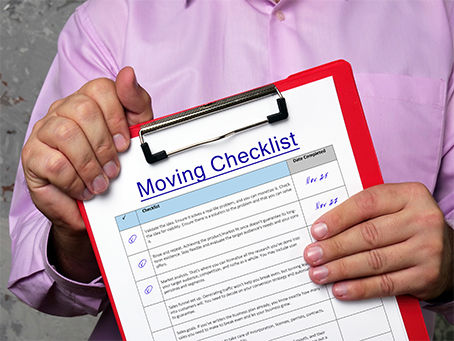
A retail move is easier to manage when inventory, fittings, equipment, and staff responsibilities are organized ahead of time. A practical checklist and the right commercial movers can help reduce delays and make the setup at your new location more manageable.
Relocating a retail store takes time and requires perfect coordination to get done smoothly. Advance Moving helps businesses plan their moves, transport merchandise and store equipment, and manage the transition to a new location. If you're looking for affordable commercial moving services in the GTA, contact our team to discuss your requirements and get a quote for your retail store move.
Frequently Asked Questions
How far in advance should I plan a retail store move?
Start planning at least 3-4 weeks ahead, or earlier for a large store with extensive inventory and fixtures. This gives you time to organize stock, arrange moving services, notify customers, and prepare the new premises.
How can I protect my goods during a retail store move?
Sort and pack products by category, use suitable boxes and protective materials, and label each container clearly. Fragile and valuable items should be packed separately and handled with extra care.
Can professional movers handle retail store fixtures?
Many commercial movers can transport shelving, display cases, counters, racks, and other large fixtures. Confirm the services and equipment available with your moving company before booking.
How can I reduce retail store moving costs?
If you want to reduce the final moving cost, then you should plan early, remove stock and fixtures you no longer need, organize your inventory, and have items ready for loading. Comparing quotes from moving companies can also help you understand the services included and manage your budget.
Should I close my store during the move?
It totally depends on your business hours, move size, and available staff. Some retailers schedule the move after closing or during a quieter period to limit disruption. Make sure customers know about any temporary closure or change in opening hours.