%20(2)-min.png)

Last-Minute Moving Checklist: What to Do Before Moving Day
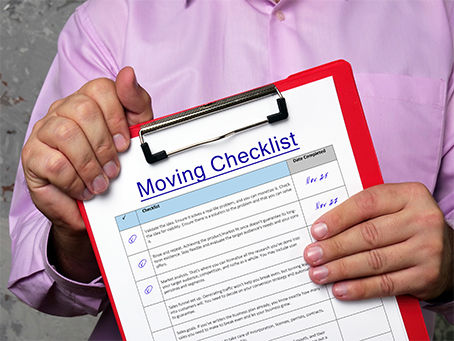
Your moving date is coming up fast, and your house isn’t even close to being packed. There are still clothes in the closets, dishes in the kitchen, boxes waiting to be filled, and a long list of things you meant to take care of earlier. There are a whole lot of reasons for a last-minute move. Your closing date may have been pushed up. Your new ho
me may have become available earlier than expected. Or you simply may have had less time than you planned.
Whatever the reason, trying to pack an entire house and remember every moving task at once can quickly become stressful. The first box you see is not the best place to start. Some moving tasks need to be handled before you even start packing, while others can wait until the final day. Knowing what to do first can save you time and prevent problems when the movers arrive.
Your Last-Minute Moving Checklist, Step by Step
You do not have to handle everything at once. Start with the things that can affect your moving day, then work through your home from the items you rarely use to the belongings you need every day. This last-minute moving checklist follows that order, helping you stay focused without jumping between packing, paperwork, and other tasks.
Confirm the Move Before You Pack Everything
If you have already booked a moving company, give them a quick call or check your booking details. Make sure the date, arrival time, pickup address, new address, and services are all correct. Moving into a condo or apartment? Check with the building too. You may need to reserve the elevator, book a loading area, or follow specific moving hours. Some buildings also have rules about where a moving truck can park. It is much easier to sort these things out a few days early than to deal with them when the truck is waiting outside.
Check These Details
Before you start packing, check these details closely, then take the next steps:
What to check | Why it matters |
Moving date and time | Makes sure everyone has the same schedule |
Pickup and delivery addresses | Helps avoid confusion on moving day |
Elevator booking | Some buildings require advance booking |
Parking or loading area | Gives the movers a clear place to load |
Furniture that needs to be taken apart | Helps movers plan for larger items |
Large or fragile items | Lets movers know what needs extra care |
Services and payment | Helps avoid hidden charges later |
If your home has stairs, a narrow entrance, a long walk from the parking area, or other access problems, tell the movers ahead of time. If you have not hired last-minute movers yet, do this before spending hours on smaller tasks. Last-minute moving help depends on the date and availability of the moving crew.
Pack the Things You Do Not Need First
When you are in a hurry, it is easy to pack whatever is in front of you. But that can leave you searching through boxes for things you still use every day. Start with items you can live without for the next few days. Seasonal clothes, decorations, books, spare bedding, extra dishes, and small appliances you rarely use can all be packed early.
You can also get rid of things you clearly do not want to take with you. If something is broken, expired, or ready for donation, set it aside instead of packing it. But do not spend hours trying to declutter your entire home. If you are moving soon, packing your belongings safely should come first.

Pack a Bag You Can Keep With You
One of the most useful things you can do before a rushed move is to prepare a bag for yourself. Do not put this bag on the moving truck. Keep it with you so you can reach it easily. Think about what you would need if you arrived at your new home late in the evening and did not want to open any boxes. Your bag can include medication, toiletries, a change of clothes, phone or laptop chargers, important documents, keys, your wallet, snacks, water, and children's or pet supplies.
Keep passports, jewellery, important financial papers, and other valuable items with you as well. You will be glad you did when you arrive and do not have to search through 20 boxes for a phone charger.
Work Through Each Room Without Overthinking It
You do not need to pack every room in a perfect order. Just work through the home and leave the things you use every day until the end.
Kitchen
Start with extra dishes, serving items, small appliances, and cookware you rarely use. Keep enough plates, cups, utensils, and basic cookware for the final few days. Before moving, check the refrigerator, freezer, and pantry. Use food that you can, throw away anything that has expired, and avoid taking food you are not going to use. Make sure bottles and other liquids are closed tightly so they do not leak onto other belongings.
Bedrooms and Living Areas
Pack seasonal clothes, decorations, books, and spare blankets first. For furniture, check which pieces need to be taken apart. Put screws, bolts, and other small parts into a labelled bag and keep them with the furniture they belong to. For TVs, computers, and other electronics, take a quick photo of the cables before unplugging them. This can make setting everything up again much easier.
Fragile Items
Some things need more care than others. Glassware, mirrors, artwork, electronics, and other fragile belongings should be packed with enough protection to stop them from moving around inside the box. Do not make boxes too heavy just because there is still room. For valuable furniture or belongings, you can also take a few photos before they are moved. This gives you a record of their condition before the move.
What to Do the Night Before Moving Day
The night before the move should be about finishing the last few jobs, not starting a whole new packing project. By this point, most of your boxes should be packed, sealed, and labelled.
Just make sure some of these things are done the night before moving day:
Loose belongings are packed
Items that are not being moved are separated
Furniture that needs to be taken apart has been identified
Your essentials bag is ready
Important documents and valuables are with you
Pathways are clear for the movers
Take one final walk through your home. Open closets, cabinets, and drawers, and check the garage, basement, and other storage areas. If you have children or pets, arrange a safe place for them during the busiest part of moving day if possible. There will be people moving in and out, doors will be open, and heavy furniture will be carried through the home. And once the important work is done, get some rest. You will need the energy the next morning.

Do One Last Walkthrough Before You Leave
When everything has been loaded, take a few minutes to walk through the home again and review the moving day tips. Check every room, closet, cabinet, drawer, and storage area. Look inside appliances and behind doors too. Before you leave, check the basics: Windows closed, lights checked, taps checked, appliances checked, and doors secured. At your new home, let the movers know where you want the larger furniture placed before unloading starts. It is much easier to put things in the right room the first time than to move them again later.
When You Need Help With a Last-Minute Move
Sometimes there simply is not enough time to do everything yourself. Professional movers can take care of the heavy work while you focus on packing, paperwork, address changes, and other things that need your attention. Advance Moving offers residential moving services including packing, loading, transportation, unloading and furniture dismantling and assembly. Our company also provides support for last-minute moves, depending on availability.
You do not have to get help with everything. If most of your home is already packed, you may only need help with heavy furniture and transportation. If packing is the main problem, you can ask for quotes about moving and packing support instead. When contacting our moving company, explain what is already done and what still needs to be handled. This helps us understand how much help you need.
Frequently Asked Questions
How do I start packing for a last-minute move?
Start with things you do not use every day, such as seasonal clothes, decorations, books, and extra kitchen items. Keep your daily essentials out until the final day and prepare a separate bag for the first night in your new home.
What should I keep with me on moving day?
Keep medication, important documents, valuables, keys, chargers, toiletries, a change of clothes, and other essentials with you. If you have children or pets, keep their important items accessible too.
Do last-minute movers charge more than regular movers?
It depends on the moving company and how close your date is to booking. Some movers may charge more for short notice, especially during busy seasons. Ask Advance Moving for a quote early so you know the cost before your moving day arrives.
What should I do the night before moving?
Finish packing and labelling your boxes, prepare your essentials bag, and separate anything that is not going with the movers. Check closets, cabinets, drawers, and storage areas, and make sure the paths through your home are clear.
What do people often forget when moving?
Closets, drawers, garages, basements, and storage areas are easy to overlook. People also forget address changes, utility arrangements, keys, remotes, and items left inside appliances. A final walkthrough can help you catch these things before leaving.


